





- Baseball rubbing mud makes it easier for pitchers to grip the balls.
- The mud is sourced from the banks of the Delaware River.
- MLB pays less than $20,000 per year for rubbing mud.
Rubbing mud has been used in the major leagues for almost a century. In the early years, this was a variable to consider when evaluating MLB odds.
Since 1938, the same mud has been used on every baseball in the big leagues. Unlike the Spider Tack controversy in the early part of the 2020s, rubbing mud isn’t something bettors need to worry about when placing their wagers on the latest baseball odds.
What is Baseball Rubbing Mud in MLB?
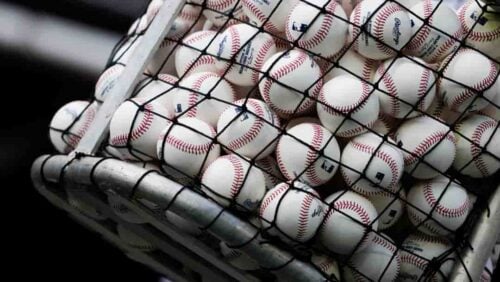
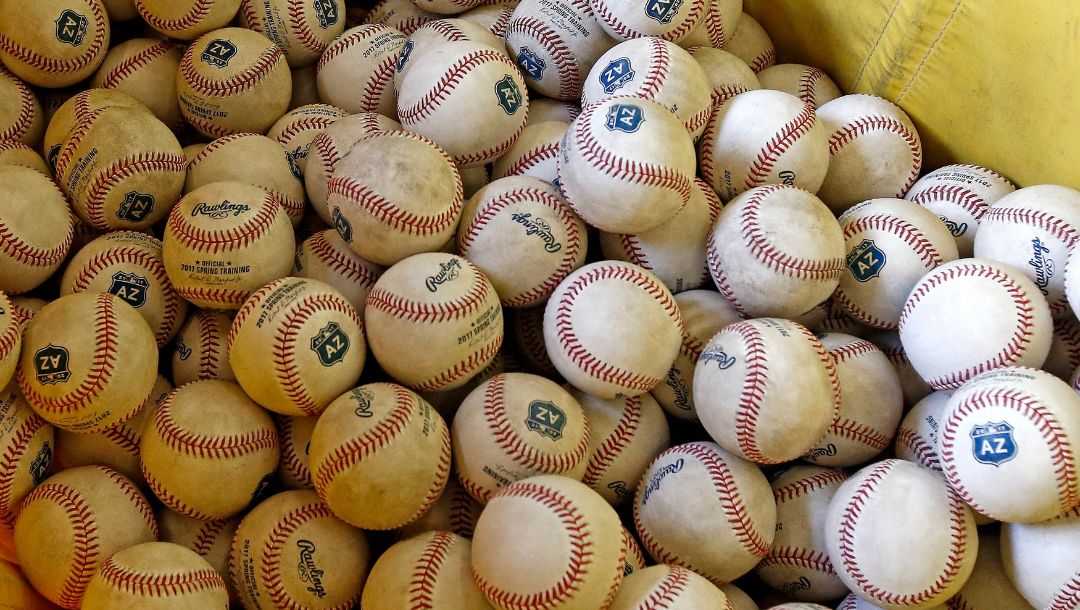
Baseball rubbing mud is a specific type of mud used to coat baseballs before they are used in Major League Baseball.
The mud does not damage or discolour the ball.
Why Does MLB Coat Every Baseball With Mud?
MLB coats baseballs to enable pitchers to get a better grip on the ball. Freshly made baseballs are slick and glossy, making it hard for pitchers to impart spin.
A lack of grip makes it harder for pitchers to have command of their pitches.
Where Does Baseball Rubbing Mud Come From?
Baseball rubbing mud comes from a secret location on the banks of the Delaware River.
This mud has been used on baseballs since 1938. There was no specific mud used between 1929 and 1938, which led to variable outcomes.
MLB started rubbing mud on all baseballs after a wild pitch from Carl Mays killed Ray Chapman in 1920.
What Mud Does MLB Use on Baseball?
Lena Blackburne Baseball Rubbing Mud is used on baseballs in MLB. This mud takes its name from Lena Blackburne, a third base coach for the Philadelphia Athletics. It has been used by MLB since 1938.
Blackburne remembered the mud from his childhood. He returned to the location, collected it, and began applying it to baseballs. Opportunistically, Blackburne founded a company selling this mud, which he passed on to a childhood friend.
The grandson of Blackburne’s friend, Jim Bintliff, now runs the company. He collects the mud once a month.
How Much Does MLB Pay for Mud?
MLB pays less than $20,000 per year to send 10 pounds of mud to each of the 30 teams, according to a report from the New York Times in 2022.
In the same year, Bintliff told NBC News he sells each tub of mud for $100.
The content provided in this blog is intended for entertainment purposes only. All views and opinions expressed are the authors and reflect their individual perspectives on sports, betting, and related topics. This content should not be considered professional betting advice or the official views of BetMGM LLC. Please gamble responsibly. If you or someone you know is experiencing issues related to gambling, seek help from a licensed health professional. This blog is not liable for any losses, damages, or consequences resulting from betting activities.